
Asbestos Testing and Sampling in Paterson, NJ
HazGuard Asbestos Services collects and lab-tests suspect building materials so you know exactly what you are dealing with before demolition, renovation or a property sale. Our inspectors sample flooring, insulation, siding, plaster and roofing, then return accredited lab results with clear next steps. Call (973) 221-9960 to schedule an inspection.
Asbestos testing is the inspection and laboratory analysis of suspect building materials to confirm whether they contain asbestos fibers. Samples are collected under controlled conditions and analyzed by an accredited lab. The service is used by homeowners, landlords, contractors and buyers throughout Paterson, NJ before renovation, demolition or purchase.
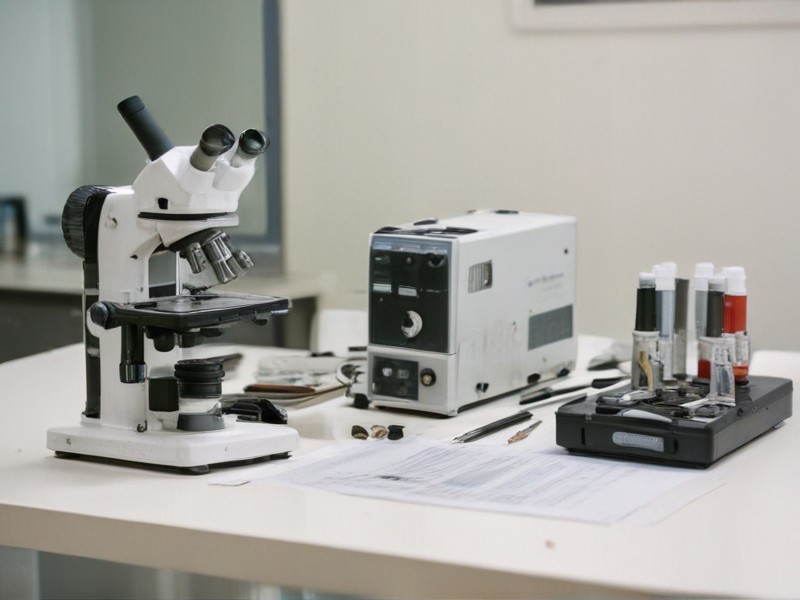
Asbestos was used in thousands of building products until the late 1980s, and most of Paterson's housing stock predates that cutoff. Floor tile, tile mastic, pipe wrap, boiler insulation, textured ceilings, plaster, cement siding, roofing felt and window glazing can all contain it. None of these materials can be identified by sight. The only way to know is laboratory analysis of a physical sample.
Testing solves several practical problems. It tells a renovation contractor whether a wall can be opened. It gives a seller or buyer a documented answer during a transaction. It satisfies demolition notification requirements. And where results come back negative, it stops a project from being delayed or priced as though asbestos were present, which happens often.
HazGuard Asbestos Services performs testing as its own discipline. Our inspectors are trained in sample collection, wet methods and chain-of-custody documentation, and samples go to an independent NVLAP-accredited laboratory for analysis. You receive the lab report itself, not a summary, along with a written explanation of which materials tested positive, the percentage and type of asbestos found, their condition, and whether removal, encapsulation or no action is the appropriate response.
Because we also perform abatement, we can tell you realistically what remediation would involve if results are positive. We will also tell you plainly when a material is intact, non-friable and better left undisturbed than removed.
What Our Asbestos Testing Service Covers
Testing begins with a walkthrough of the areas in question. The inspector identifies homogeneous materials, which are groups of material installed at the same time from the same product, and determines how many samples each group requires. A single floor tile layer may need three samples; a boiler jacket may need one. Sampling the wrong number is a common cause of inconclusive results, so the sampling plan is set before anything is touched.
Samples are collected using wet methods. The area is misted with amended water to suppress fiber release, a small piece of material is cut or cored out, and the sample is sealed in a labeled container. The sample location is patched with encapsulant or spray sealant so nothing is left exposed. Inspectors use HEPA-filtered equipment, disposable suits and respirators where conditions warrant. Each sample is logged on a chain-of-custody form with location, material description and date.
Samples go to an NVLAP-accredited laboratory for analysis by polarized light microscopy with dispersion staining, the standard EPA method for bulk materials. Where PLM returns a result below the one percent threshold on a material like floor tile or vinyl sheet flooring, point counting or transmission electron microscopy may be recommended for a definitive answer.
Air sampling is a separate service used when fibers may already be airborne, after a disturbance, or as final clearance following abatement. Air samples are drawn through cassettes on calibrated pumps and analyzed by phase contrast microscopy or TEM depending on the requirement.
Field sampling for a typical residential project takes 30 to 90 minutes. Standard lab turnaround is two to three business days, with 24-hour and same-day rush options available when a project is on hold. Your report package includes the laboratory analysis sheets, a sample location diagram, photographs, the chain-of-custody record, and written recommendations covering whether the material should be removed, encapsulated, managed in place or ignored.
Benefits of Professional Asbestos Testing
Accredited Laboratory Analysis
Every sample is analyzed by an independent NVLAP-accredited laboratory using EPA-approved methods. You receive the lab's own report with sample identifiers, asbestos type and percentage, which is what contractors, attorneys, lenders and regulators will ask to see. Nothing is estimated or assumed from visual inspection.
Sampling Without Contamination
Suspect materials release fibers when cut dry. Our inspectors wet materials before sampling, use HEPA-filtered tools, seal containers immediately and patch every sample location before leaving. The testing itself does not create the hazard it is checking for, which is a real risk with do-it-yourself sampling kits.
Correct Sample Counts
Results are only valid if the sampling plan is right. We group materials into homogeneous areas and pull the number of samples each group requires, so a single negative result on one tile layer is not mistaken for clearance of an entire floor. This prevents costly retesting mid-project.
Fast Turnaround Options
Standard results return in two to three business days, with 24-hour and same-day rush analysis available when a renovation crew, closing date or demolition permit is waiting. We tell you the realistic timeline at scheduling so you can plan the rest of the project around it.
Honest Recommendations
Not every positive result requires removal. Intact, non-friable materials in good condition are often safer managed in place. We explain what your results actually mean, what the regulations require, and what each option would cost, rather than defaulting to the most expensive answer.
Documentation You Can Use
Reports include lab sheets, a sample location diagram, photographs and chain-of-custody records. This package satisfies contractor requests, real estate disclosure needs, demolition notification requirements and insurance documentation, and it stays on file should you need another copy later.
How Our Asbestos Testing Process Works
Phone Consultation and Scheduling
Call (973) 221-9960 and describe the building age, the materials you are concerned about and the reason for testing. We quote the inspection, estimate how many samples the job likely needs, and book a time, including evenings and weekends for occupied properties.
On-Site Survey and Sampling Plan
The inspector walks the property, identifies suspect materials, groups them into homogeneous areas and sets the sample count for each. Materials that clearly postdate asbestos use are ruled out so you are not paying to test them.
Controlled Sample Collection
Each material is misted with amended water, a small sample is cut or cored, and it is sealed in a labeled container. Sample points are patched and sealed. Locations are photographed and logged on a chain-of-custody form alongside the sample identifiers.
Laboratory Analysis
Samples are delivered to an NVLAP-accredited lab for polarized light microscopy analysis under EPA method 600/R-93/116. Where results fall near the one percent regulatory threshold, we recommend point counting or TEM for a conclusive determination.
Report Delivery and Review
You receive the full report with lab sheets, diagram, photographs and chain-of-custody records, typically within two to three business days. An inspector walks you through which materials tested positive, their condition and what the results mean for your project.
Next-Step Planning
If asbestos is confirmed, we outline the options: full abatement, encapsulation or management in place, with scope and cost for each. If results are negative, you receive written confirmation your contractor can work from and the project proceeds.
Frequently Asked Questions
Common questions about asbestos testing
Testing is priced on an inspection fee plus a per-sample laboratory charge. Most residential jobs in Paterson involve three to six samples and fall in the low hundreds of dollars total. Larger multi-family buildings or full pre-demolition surveys cost more because they require far more samples. Call (973) 221-9960 for a quote based on your property.
Standard polarized light microscopy results return in two to three business days from the time samples reach the lab. Rush turnaround of 24 hours and same-day analysis is available for an additional fee when a crew, closing or permit is waiting. Point counting or TEM confirmation adds one to two days.
Occupants generally stay in the home during routine sampling. Collection is brief, uses wet methods to suppress fibers, and affects only a small area at a time. We do ask that people and pets stay out of the specific room being sampled, and we recommend relocating anyone with respiratory conditions for the duration.
Full containment is not normally required for bulk sampling because the disturbance is minimal and controlled with wetting and immediate patching. Where material is heavily damaged, friable or already releasing fibers, we use localized poly sheeting and HEPA filtration. Full negative-pressure containment belongs to abatement, not sampling.
Air clearance testing measures airborne fiber concentrations after abatement to confirm an area is safe to reoccupy. Samples are drawn through cassettes on calibrated pumps and analyzed by phase contrast or electron microscopy. Clearance is required after regulated abatement work and is often requested after an accidental disturbance or water damage event.
Sample material is consumed or retained by the laboratory as part of the analysis, so very little debris is generated. Disposable suits, gloves, wipes and poly used during collection are bagged in labeled asbestos waste bags and taken to a licensed disposal facility. Nothing is left in your trash or dumpster.
Self-collected samples carry real risk, because cutting dry material releases fibers into the living space and insufficient sampling produces misleading results. Many contractors, lenders and municipal offices also require a third-party inspector's report with chain-of-custody documentation, which a mail-in kit does not provide.
Common positives include 9x9 floor tile and its black mastic, vinyl sheet flooring backing, pipe and boiler insulation, textured ceiling coatings, cement siding and shingles, roofing felt, window glazing compound and some joint compounds. Homes built or renovated before 1990 should be tested before any of these materials are disturbed.
Service Areas
We proudly serve these locations
Need Asbestos Testing in Paterson, NJ?
Have suspect material on site? Schedule an inspection and get lab results.
Call (973) 221-9960